Magnus-Effect Wind Turbines
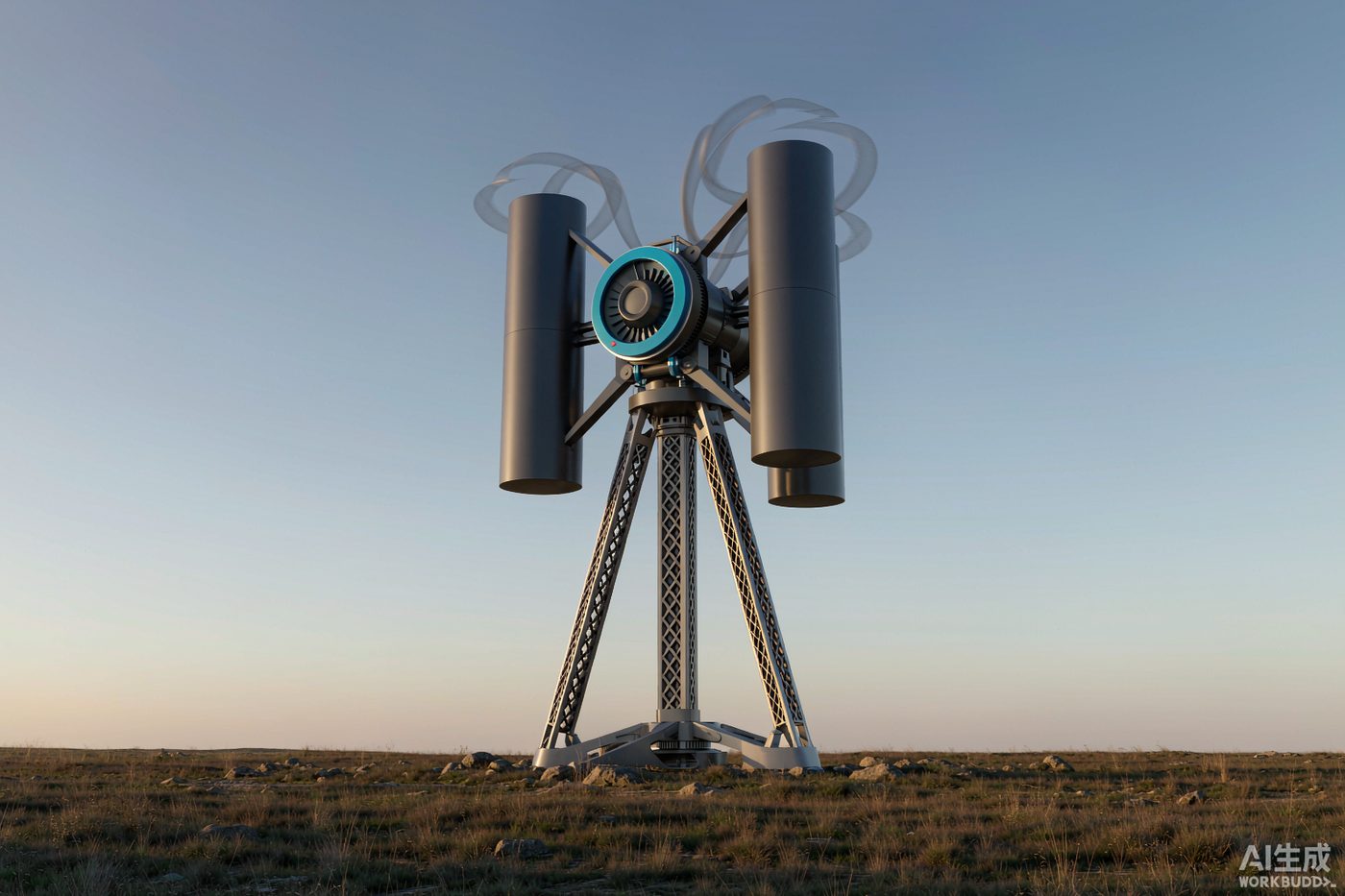
Based on the Magnus effect of spinning cylinders, this research develops a novel turbine concept: the pressure difference across rotating rotors generates lift that drives generation. Advantages include low cut-in speed, gentle stall behavior and simple robust structures — well suited to low-wind regions and distributed deployment. Research spans aerodynamic characterization of rotating cylinders, optimal speed-power matching, multi-rotor array layout, and lightweight design.
Key Research Topics
Characterizes lift coefficients against Reynolds number, spin ratio and end-plate effects through combined experiments and CFD.
Studies the trade-off between rotor drive power and lift benefit, deriving maximum-power-point tracking control laws.
Optimizes array spacing under rotor interference and performs structural weight reduction with fatigue verification.